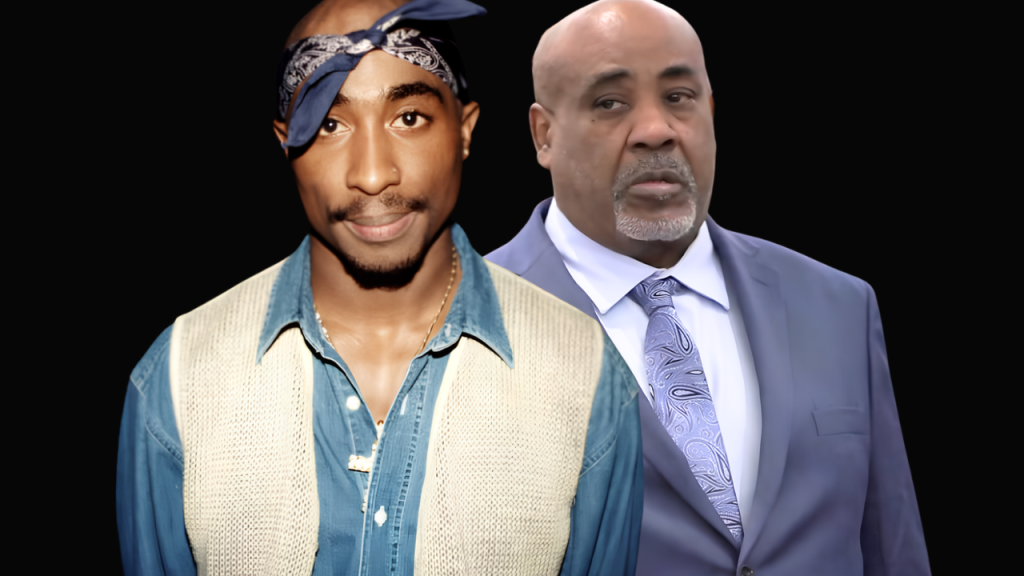
Nearly 30 Years Later, Tupac’s Murder Case Finally Reaches a Jury
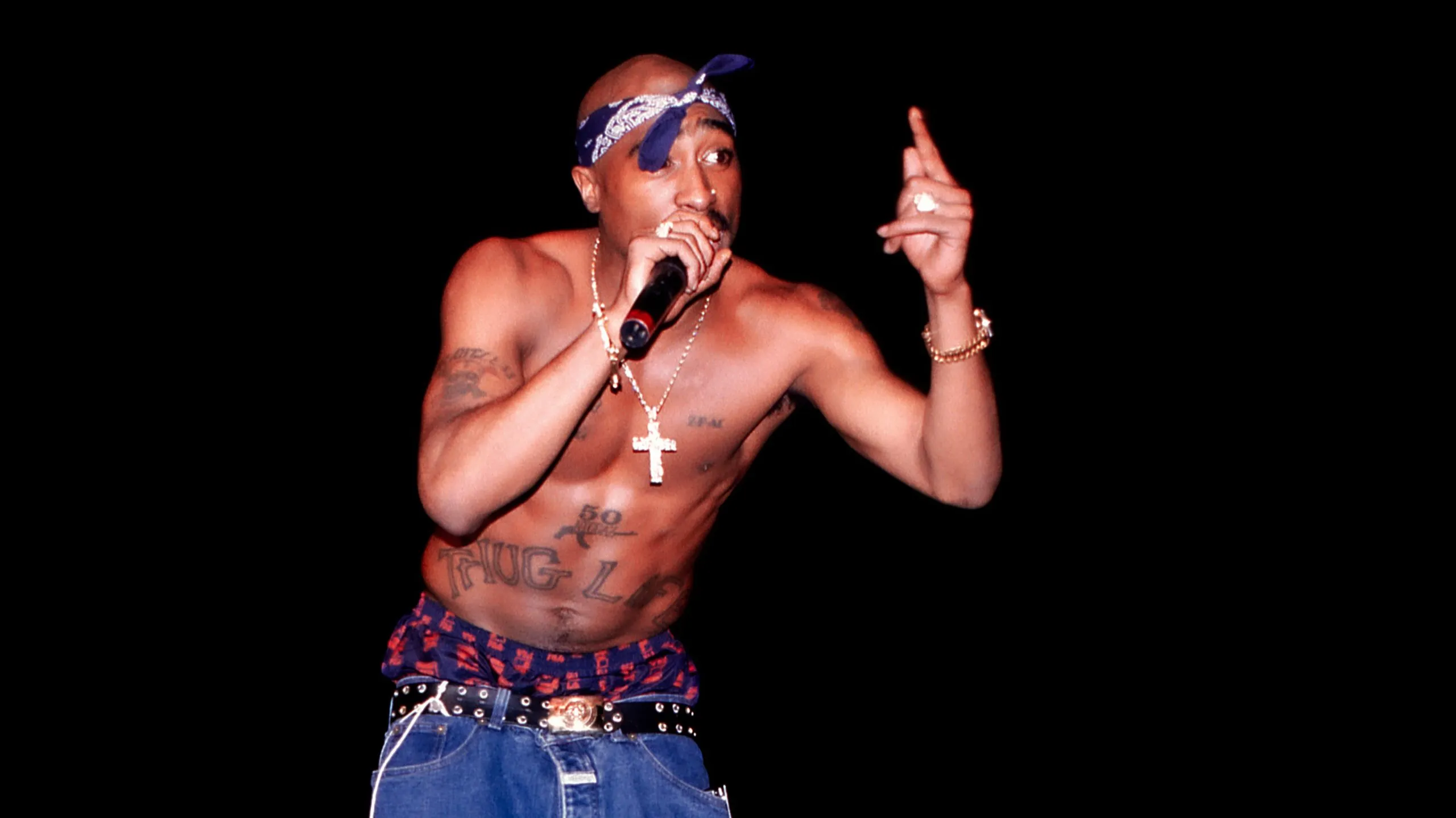
The Tupac murder trial is finally underway nearly 30 years after the killing of one of hip-hop’s most influential artists. The current trial proceedings are bringing decades of allegations, interviews and evidence before a Las Vegas jury. For decades, Tupac Shakur’s death remained one of the biggest unanswered stories in hip-hop history.
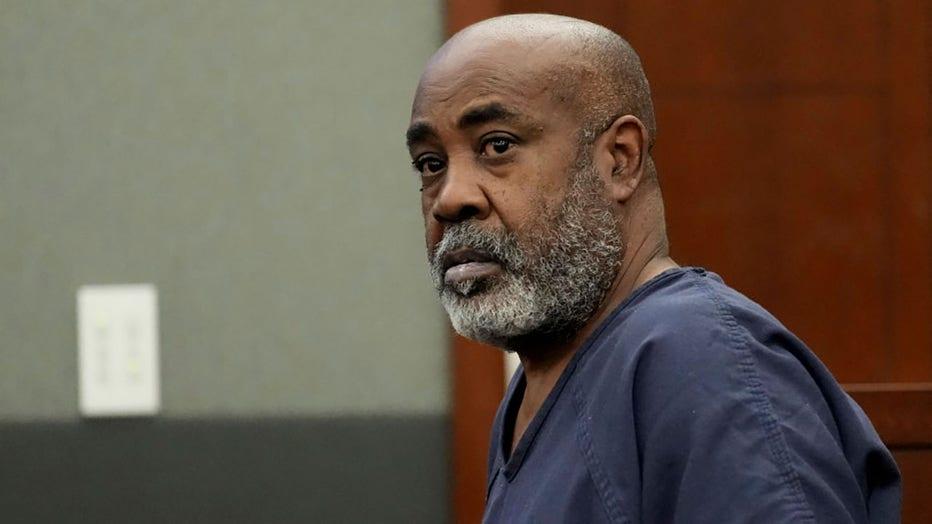
Now, a Las Vegas jury is hearing the case against Duane “Keffe D” Davis, the only person ever charged in connection with the rapper’s 1996 killing.
Davis, 63, has pleaded not guilty. Prosecutors do not accuse him of firing the shots that killed Tupac. Instead, they allege Davis orchestrated the retaliation that led to the shooting and supplied the gun used in the attack.
His defense says prosecutors are trying to turn decades of stories, interviews and statements into a murder case without enough evidence to prove their allegations.
What Prosecutors Say Happened
The case takes jurors back to September 7, 1996.
Earlier that night, Tupac attended the Mike Tyson-Bruce Seldon fight at the MGM Grand in Las Vegas.
After the fight, Tupac, Suge Knight and others were involved in an altercation with Orlando Anderson, Davis’ nephew, inside the casino.
Prosecutors allege Davis and others then sought retaliation.
Authorities say Davis obtained a gun and was inside a white Cadillac with Anderson, Terrence Brown and Deandre Smith as they searched for Tupac and Knight.
The Cadillac eventually pulled alongside the BMW driven by Knight near the Las Vegas Strip, and gunfire struck the vehicle.
Tupac was hit four times. He died six days later on September 13, 1996, at just 25 years old. Knight survived with minor injuries.
Why Keffe D Can Face Murder Charges Without Being the Shooter
This is one of the most important parts of the case.
Prosecutors aren’t claiming Davis personally shot Tupac.
Their case is that he helped organize the attack and supplied the weapon. Under Nevada law, prosecutors can pursue a murder conviction against someone they prove aided or helped arrange the crime even if that person didn’t personally pull the trigger.
Davis is charged with murder with a deadly weapon with the intent to promote, further or assist a criminal gang. If convicted, he could face life in prison.
Keffe D’s Own Words Are at the Center of the Case
One of the biggest questions hanging over this trial is whether jurors believe Davis himself.
For years, Davis publicly discussed the Tupac shooting.
He spoke about the case in interviews and wrote about it in his 2019 memoir, Compton Street Legend. Authorities have said those public statements helped revive an investigation that had gone cold.
Prosecutors now plan to use Davis’ own words as an important part of their case.
And that’s where the defense has an unusual argument.
The Defense Says His Stories Aren’t Proof
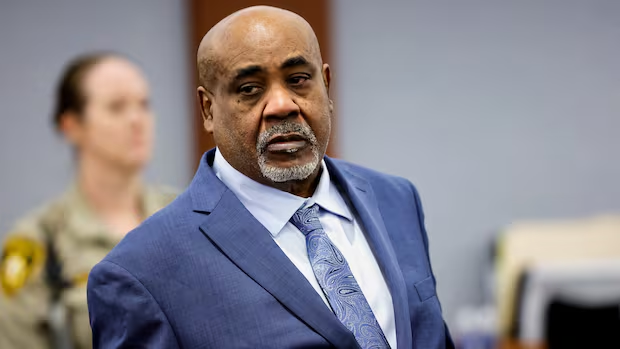
Davis’ attorneys argue his past statements shouldn’t simply be accepted as fact.
During opening statements, the defense characterized the prosecution’s version of events as fiction and argued that Davis’ public claims were exaggerated or unreliable.
His attorneys have also challenged portions of his memoir, noting that it had a co-author and arguing that some of what Davis said publicly was essentially storytelling rather than evidence of murder.
That creates an unusual situation for jurors:
How much should they believe a defendant’s own words when his defense is now arguing those words weren’t reliable?
That question could become one of the defining issues of the trial.
1996 Evidence Returns in the Tupac Murder Trial
This week, jurors have begun seeing evidence connected directly to the shooting.
Prosecutors have presented photographs, bullet casings and other evidence from the original investigation. Members of Tupac’s family were also present during portions of the proceedings, with some family members leaving the courtroom before prosecutors displayed autopsy photographs.
The age of the case presents obvious challenges.
Nearly 30 years have passed. Memories have faded, some witnesses have died, and all three other men prosecutors say were inside the Cadillac with Davis are now deceased.
Will Suge Knight Testify?
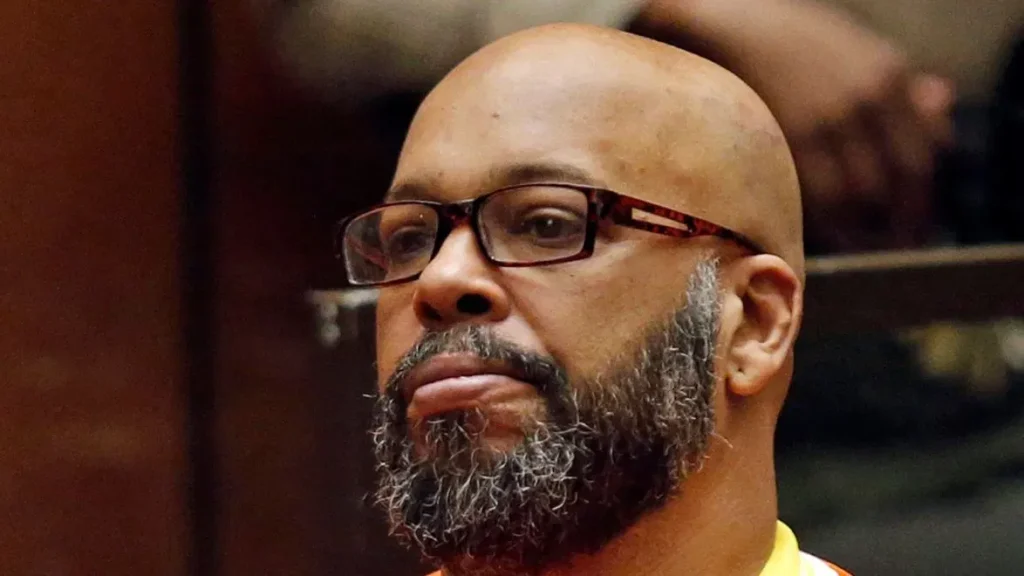
Suge Knight remains one of the most important surviving witnesses to what happened that night.
He was driving the BMW with Tupac sitting beside him when the shooting occurred.
Knight is currently serving a 28-year prison sentence in an unrelated case. He has publicly indicated that he doesn’t want to participate in the Tupac trial, although he has been identified as someone who could potentially be called as a witness.
Whether jurors eventually hear directly from him remains something to watch as the trial progresses.
Why the Tupac Murder Trial Matters to Hip-Hop
Tupac’s death became bigger than a criminal investigation.
It became part of hip-hop history.
Tupac’s influence remains part of the larger history and evolution of hip-hop culture.
His murder, followed six months later by the killing of Christopher Wallace — The Notorious B.I.G. — helped define one of the darkest periods in the culture.
Tupac’s killing generated decades of documentaries, books, interviews, accusations and conspiracy theories. But until Davis was indicted in 2023, nobody had ever been charged with his murder.
Now, nearly 30 years after Tupac was shot, those years of speculation have finally given way to something very different:
A jury hearing evidence in a courtroom.
What Happens Next in the Tupac Murder Trial
As the Tupac murder trial continues, jurors will hear additional testimony and examine evidence prosecutors say connects Duane “Keffe D” Davis to the 1996 shooting. The defense will have its opportunity to challenge that evidence and present its case. Ultimately, the jury will decide whether prosecutors have proved the charges beyond a reasonable doubt.
KMHP Will Be Watching

For hip-hop, this isn’t simply another celebrity court case.
Tupac Shakur remains one of the most influential artists the culture has produced, and questions surrounding his death have followed hip-hop for an entire generation.
As KMHP Digital Radio continues establishing itself as Minnesota’s new voice and sound for hip-hop and R&B, we’re covering the culture from every angle—from today’s major and independent artists to the stories that shaped hip-hop history.
The jury will ultimately decide whether prosecutors have proved their case against Duane Davis.
Until then, the allegations remain allegations, Davis remains presumed innocent, and one of hip-hop’s longest-running mysteries is finally being examined where it matters most:
in court.