
25 Years Later, Aaliyah Still Feels Ahead of Her Time

Aaliyah 25 years later remains a powerful reminder of how much impact an artist can leave behind in a short career.
On August 25, 2001, Aaliyah died at just 22 years old when a small plane crashed shortly after takeoff from Abaco Island in the Bahamas. She had been there filming the music video for “Rock the Boat.” Eight other people aboard the aircraft also died.
Aaliyah’s life ended far too early, but her story didn’t end in 2001.
A quarter-century later, her music, style and understated approach to R&B continue to resonate with listeners who remember her career firsthand—and with generations who discovered her years later.
From Detroit to R&B Stardom
Born in Brooklyn and raised largely in Detroit, Aaliyah showed an interest in performing from an early age. Her official biography traces that journey from her early performances to her rise as an R&B star. At 11, she performed alongside Gladys Knight during a five-night engagement in Las Vegas.
Her recording career took off while she was still a teenager.
Her 1994 debut album, Age Ain’t Nothing but a Number, introduced her nationally with records including “Back & Forth” and her remake of “At Your Best (You Are Love).”
But it was Aaliyah’s second album that helped establish the sound many listeners still associate with her today.
One in a Million Changed the Direction
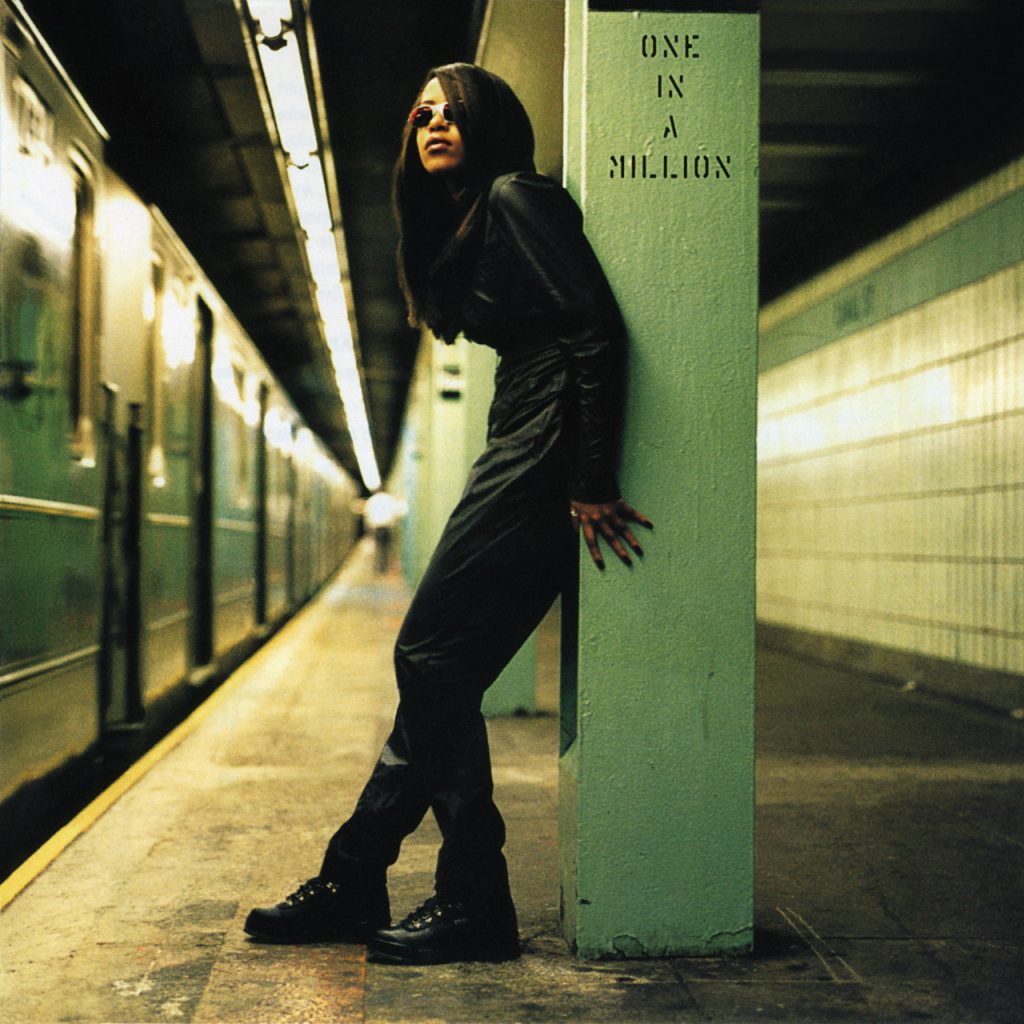
Released in 1996, One in a Million brought Aaliyah together with two names who would become major forces themselves: Timbaland and Missy Elliott.
The combination helped create a sound that separated Aaliyah from much of the R&B surrounding her.
Rather than relying on huge vocals or conventional production, her records often used space, rhythm and an understated vocal delivery that worked alongside Timbaland’s unconventional production.
One in a Million became a major success and helped move Aaliyah into a different stage of her career.
Aaliyah Was Becoming More Than a Recording Artist
By the end of the 1990s, Aaliyah’s career was expanding beyond albums.
Her 1998 song “Are You That Somebody?” became a major crossover record and earned her a Grammy nomination. In 2000, she starred alongside Jet Li in Romeo Must Die and contributed “Try Again” to the film’s soundtrack.
Her acting career was just getting started.
She later played Akasha in Queen of the Damned, which was released after her death, and had been cast for roles in The Matrix Reloaded and The Matrix Revolutions. Her official biography also lists other film projects that had been under consideration or development.
That’s one of the reasons Aaliyah’s story still carries so many unanswered “what ifs.”
At 22, she hadn’t reached the end of a career.
She appeared to be entering another phase of it.
Her Final Album Still Sounds Different

Aaliyah released her self-titled third album, Aaliyah, in July 2001—only weeks before her death.
The project included “We Need a Resolution,” “More Than a Woman” and “Rock the Boat.” Her official biography says the album debuted at No. 2 in the United States.
Twenty-five years later, the album continues to receive attention for how forward-looking its production and approach to R&B sounded.
Recent retrospective coverage has pointed to the project’s atmospheric production, restrained vocals and experimentation as elements that still connect naturally with contemporary R&B.
That’s an important part of Aaliyah’s legacy.
Her music doesn’t survive solely because people miss her.
The records themselves still work.
Aaliyah’s Influence Goes Beyond Music
Aaliyah also developed an image that became instantly recognizable.
Baggy clothing, sunglasses and streetwear were part of her earlier aesthetic, while her style evolved as she got older without losing the cool, understated quality associated with her.
That combination of music, fashion and personality helped create an identity that didn’t feel manufactured around whatever everybody else was doing.
Her influence can still be seen in conversations surrounding modern R&B, fashion and artists who favor atmosphere and restraint over constantly trying to overpower a record vocally.
August 25, 2001

After filming “Rock the Boat” in the Bahamas, Aaliyah and members of her team boarded a small aircraft headed toward Florida.
The plane crashed shortly after takeoff.
Aaliyah was 22.
Also killed were Anthony Dodd, Eric Foreman, Scott Gallin, Keeth Wallace, Gina Smith, Douglas Kratz, Christopher Maldonado and pilot Luis Morales III.
Twenty-five years later, remembering Aaliyah also means remembering the other lives lost that day.
Aaliyah 25 Years Later: Why Her Legacy Still Matters
There will always be speculation about how big Aaliyah might have become.
Would the acting career have grown? What would another album have sounded like? How would she have adapted as R&B changed throughout the 2000s and beyond?
Nobody can answer those questions.
What we can measure is what she accomplished before turning 23: three studio albums, major R&B and pop records, film roles, Grammy nominations and a musical identity distinctive enough that people are still discussing its influence a quarter-century later.
Aaliyah didn’t get the opportunity to show us where she was going next.
But 25 years later, the work she left behind still gives R&B somewhere to look.
KMHP Remembers Aaliyah

At KMHP Digital Radio, R&B isn’t only about what’s new.
It’s also about recognizing the artists and records that helped shape the music we’re hearing today.
Aaliyah’s career lasted only a fraction of the time it should have, but her impact has stretched across generations.
Twenty-five years later, Baby Girl is still remembered—and the music is still playing.