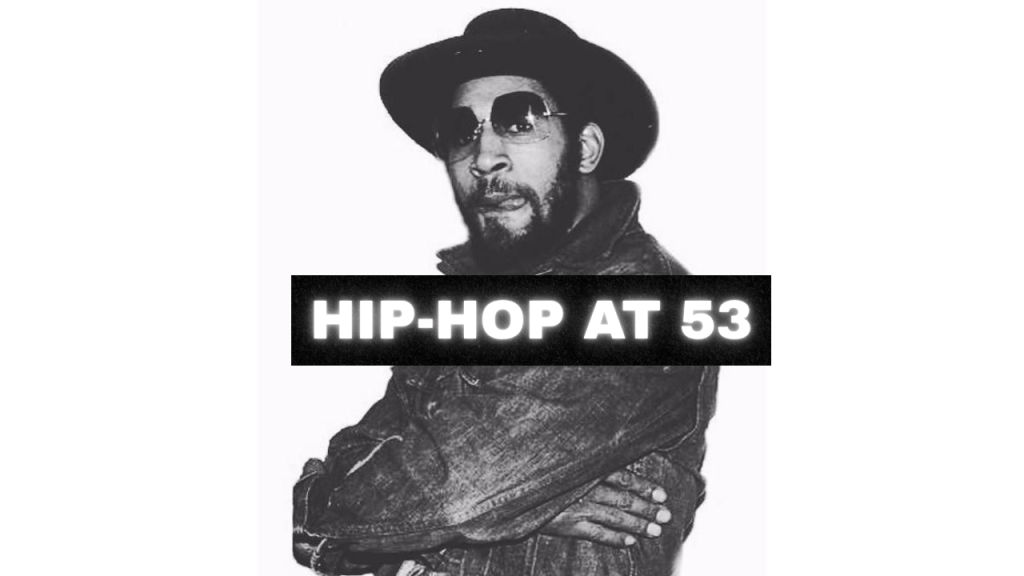
Hip-hop at 53 is a story that begins on August 11, 1973, when a back-to-school party inside a Bronx apartment building helped set in motion a culture that would eventually change music forever.
Now, 53 years later, hip-hop has grown from neighborhood parties and breakbeats into a global force that has influenced music, fashion, language, art, film, business and generations of artists around the world.
Where It Started
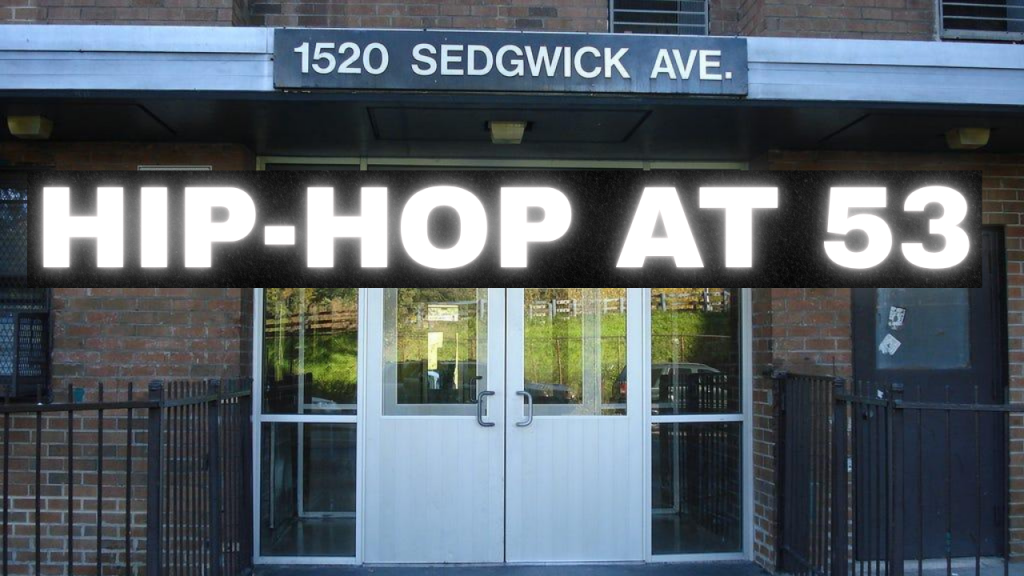
The story takes us back to 1520 Sedgwick Avenue in the Bronx, New York.
Cindy Campbell organized a Back-to-School Jam to raise money for new school clothes and enlisted her brother, Clive Campbell — better known as DJ Kool Herc — to provide the music.
Herc had developed a DJ technique that focused on the instrumental “break” portions of funk and soul records — the sections dancers loved. Using two turntables, he could extend those breaks and keep the energy going.
That August 11 party would become one of the defining moments in hip-hop history and is widely commemorated as the birth of the culture.
From the Bronx to the World
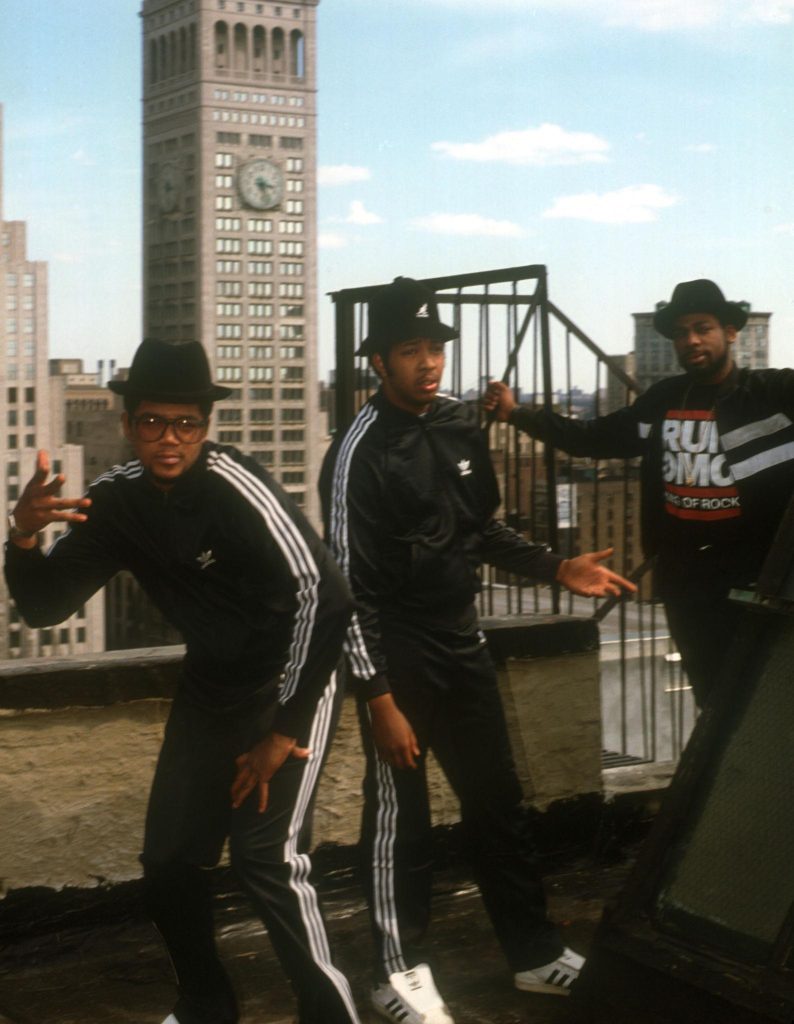
Photo: Jeff Pinilla / Wikimedia Commons — CC BY 3.0
What was developing in New York during the 1970s didn’t stay there.
Hip-hop continued to evolve through DJs, MCs, breakdancers, graffiti artists and communities that helped build the culture from the ground up.
As rap records reached larger audiences, hip-hop began expanding across America.
Different cities eventually developed their own identities and sounds. New York built on its early foundation. The West Coast created movements of its own. The South became a dominant force. The Midwest added another distinct voice to the culture. That influence can still be heard in Minnesota, where the Minneapolis music scene developed an identity of its own.
And generation after generation continued to change what hip-hop could sound like.
The Old School Built Hip-Hop’s Foundation
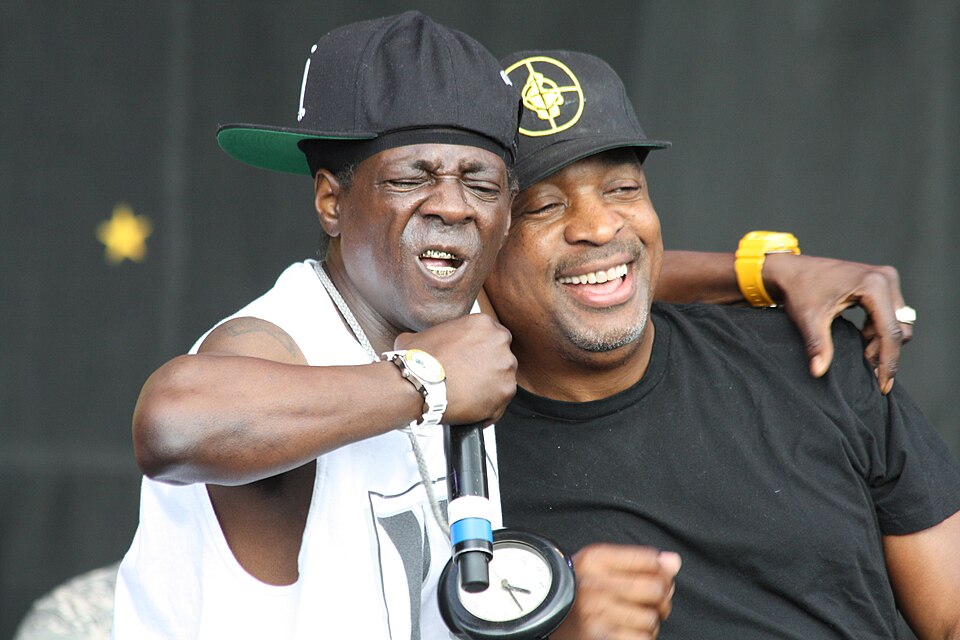
Photo: kowarski / Wikimedia Commons — CC BY 2.0
Before streaming numbers, viral clips and social media, hip-hop was built through records, radio, mixtapes, live shows, DJs and word of mouth.
Artists including Run-DMC, LL Cool J, Public Enemy, N.W.A, Rakim and many others helped move hip-hop into new territory.
Later generations produced names such as 2Pac, The Notorious B.I.G., Jay-Z, Nas, Snoop Dogg, Dr. Dre, OutKast, Missy Elliott, Lil Wayne, 50 Cent, Kanye West and countless others who continued expanding the reach of the culture.
Every era brought something different.
A New Generation Takes Over
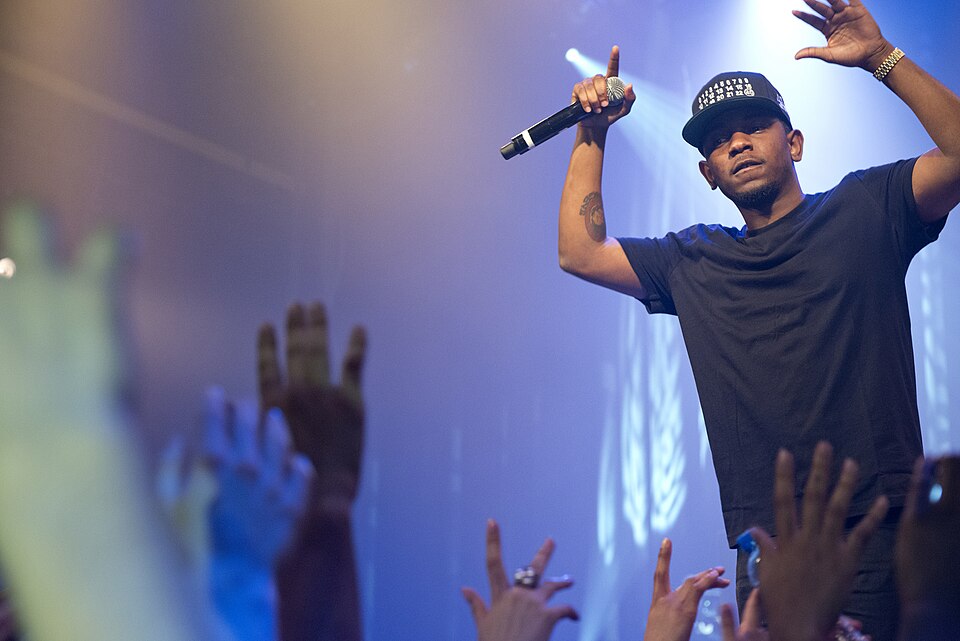
Photo: Merlijn Hoek / Wikimedia Commons — CC BY 3.0
Today’s hip-hop looks and sounds different from the culture that existed in 1973 — and that’s part of its story.
Streaming changed how music is released. Social media changed how artists are discovered. Independent artists can now reach listeners without waiting for traditional radio stations or major record labels to give them permission. KMHP continues highlighting that evolution through our coverage of Twin Cities artists and Minnesota music.
The sound continues to evolve as younger artists bring their own styles, slang, production and experiences into the music.
People will always debate old school versus new school.
That’s hip-hop too.
Every generation believes strongly in the era that introduced them to the culture, while the next generation inevitably takes it somewhere different.
Hip-Hop at 53: The Culture Is Still Moving
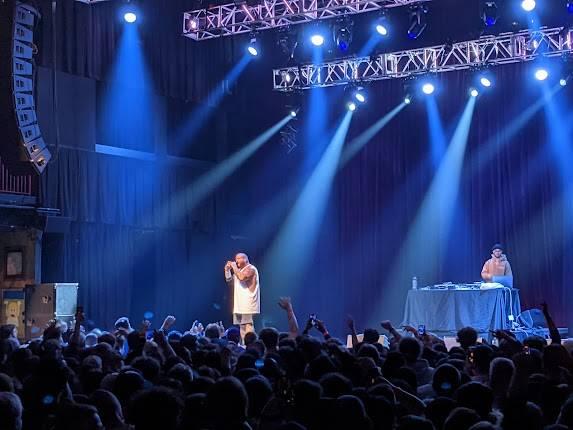
Photo: Piotrus / Wikimedia Commons — CC BY-SA 2.5
What started with young people creating something of their own in the Bronx ultimately became something much bigger.
Hip-hop created careers, businesses, fashion movements, media platforms and opportunities that couldn’t have been imagined inside that recreation room in 1973. That same independent spirit continues through platforms like KMHP Digital Radio, where established and independent music can reach listeners directly.
And 53 years later, the culture still hasn’t stopped evolving.
The artists have changed.
The technology has changed.
The business has changed.
But hip-hop’s ability to give people a voice and create something from what they have remains part of its foundation.
From 1520 Sedgwick Avenue to stages, studios and speakers around the world, 53 years later hip-hop is still here.
Happy 53rd birthday to hip-hop.
Minnesota Music News Twin Cities Music News
Twin Cities Music News: Supporting Minnesota’s Music Scene
KMHP Digital Radio covers the music, artists and events helping shape the Twin Cities music scene. From Minneapolis to St. Paul and throughout Minnesota, our goal is to spotlight established names alongside independent artists building their own audiences.
Our coverage includes hip-hop, R&B, new music releases, artist profiles, interviews, concerts, community events and other stories connected to Minnesota music and culture.
As the local scene continues to grow, KMHP will continue creating a place where listeners can discover what’s happening throughout the Twin Cities. Whether it’s an emerging artist making noise, an upcoming event, or a story connected to Minnesota’s musical history, you can find our latest coverage right here.