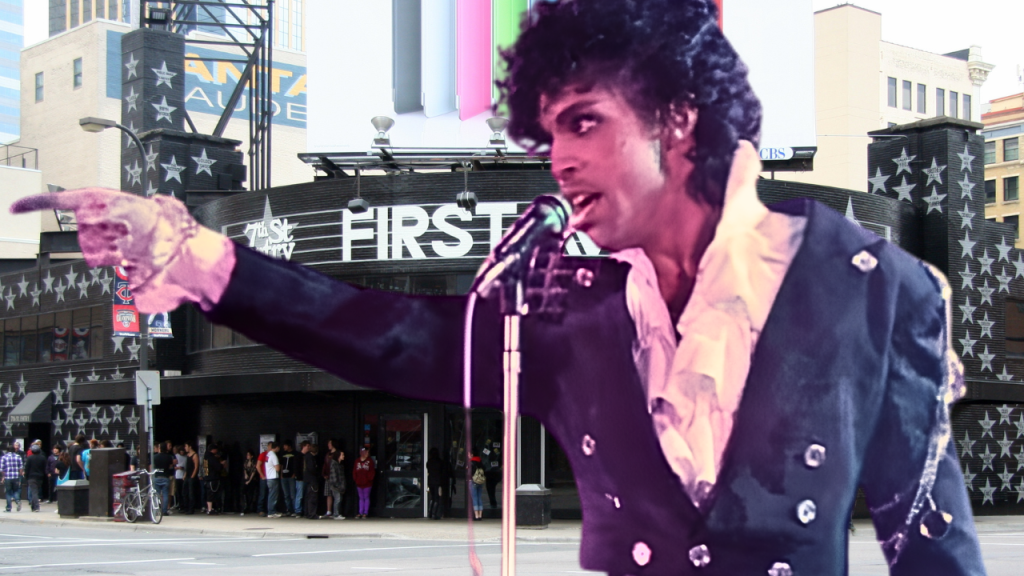
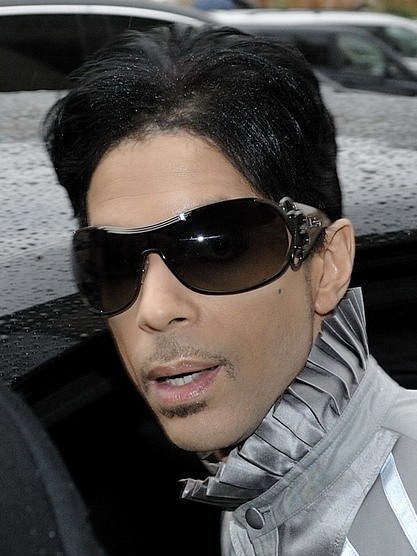
Few artists are as deeply connected to Minneapolis as Prince. Born and raised in the city, Prince helped transform Minnesota’s music scene and introduced the world to a sound that would become known as the Minneapolis Sound. Blending funk, R&B, rock, pop and electronic music, his influence stretched far beyond the Twin Cities and helped put Minneapolis on the global music map.
Prince’s Minneapolis Roots
Prince Rogers Nelson was born in Minneapolis on June 7, 1958. Music surrounded him from an early age, and Minneapolis became the foundation for the career that followed. Rather than leaving Minnesota behind as his success grew, Prince maintained strong ties to his hometown and eventually established Paisley Park in nearby Chanhassen.
His rise helped bring international attention to a music community that had already been developing its own identity. Minneapolis would eventually become associated with a distinctive mixture of funk, R&B, rock, pop and synthesizer-driven music.
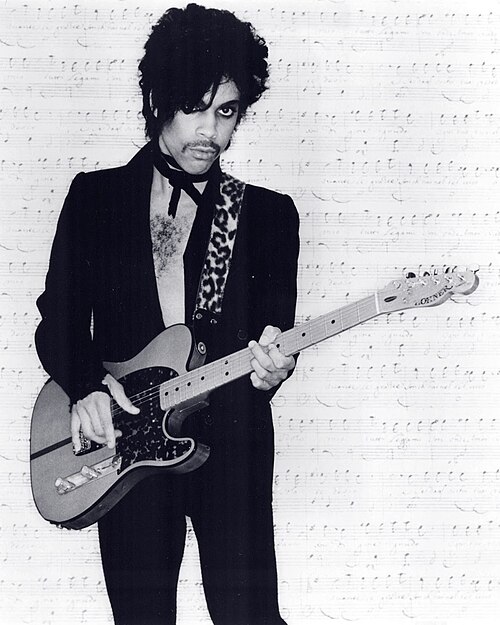
Photo Credit: Distributed by Warner Bros. / Wikimedia Commons — Public Domain
The Minneapolis Sound Takes Shape
Prince’s early recordings helped lay the groundwork for what became known as the Minneapolis Sound. His 1978 debut album, For You, showcased his ability to perform and record much of the music himself while experimenting with synthesizers, guitars and other instruments. Prince later explained that he intentionally used synthesizers and guitar lines in place of traditional horn arrangements to create a different sound.
By the early 1980s, that approach had developed into a recognizable blend of funk, rock, R&B, pop and electronic music. Prince’s 1999 album became especially important in defining the synth- and drum-machine-driven style that became associated with the Minneapolis Sound.
Prince was not developing in isolation. Minneapolis had an active community of musicians and bands during his formative years, and artists including André Cymone, Morris Day, Jimmy Jam, Terry Lewis and others became connected to the broader Minneapolis music movement that gained national attention during the 1980s.
Purple Rain Puts Minneapolis on the World Stage
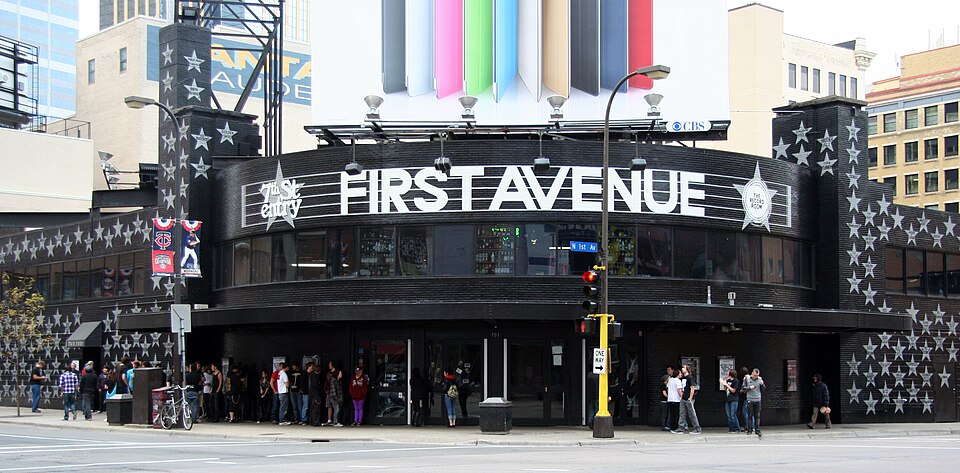
Prince’s connection to Minneapolis became even more visible with Purple Rain in 1984. First Avenue, the landmark downtown Minneapolis music venue where Prince regularly performed and tested new material, became both a setting and filming location for the movie.
The connection went beyond the film. Several songs that appeared on the Purple Rain album originated from a live Prince and the Revolution performance at First Avenue in August 1983. That night included early performances of “Purple Rain,” “I Would Die 4 U” and “Baby I’m a Star.”
Purple Rain became a major international success. The album spent 24 weeks at No. 1 on the Billboard 200, while the film and its music helped make Prince—and Minneapolis—recognizable to audiences around the world.
Paisley Park Keeps Prince’s Legacy in Minnesota
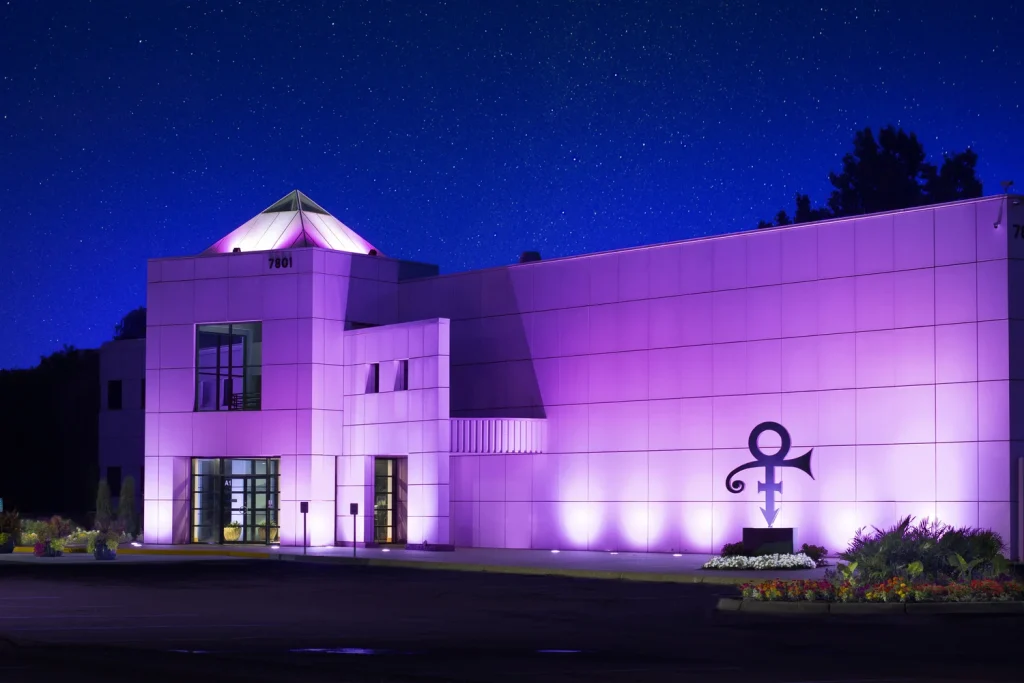
Photo Credit: Sarah J. Hellstrom-Hoehn / Wikimedia Commons
In 1987, Prince opened Paisley Park in Chanhassen, Minnesota. The complex served as a recording studio, production facility and creative headquarters for Prince for decades. Artists including Madonna, Stevie Wonder and R.E.M. also recorded or worked there over the years.
Following Prince’s death in 2016, Paisley Park opened to the public as a museum. Today, visitors can see recording studios, performance spaces, instruments, clothing and other items connected to Prince’s career.
Together with places such as First Avenue, Paisley Park remains one of Minnesota’s most recognizable connections to Prince and the musical legacy he built in his home state.
The Minneapolis Sound Reaches Beyond Prince
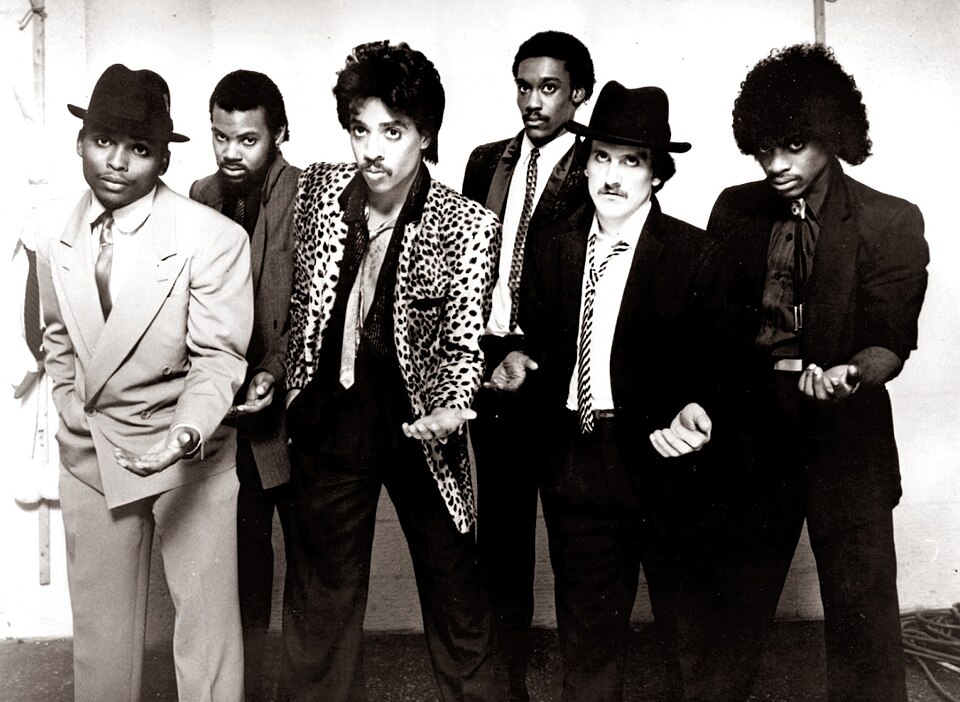
Photo Credit:The Time 1981 photo — Wikimedia Commons
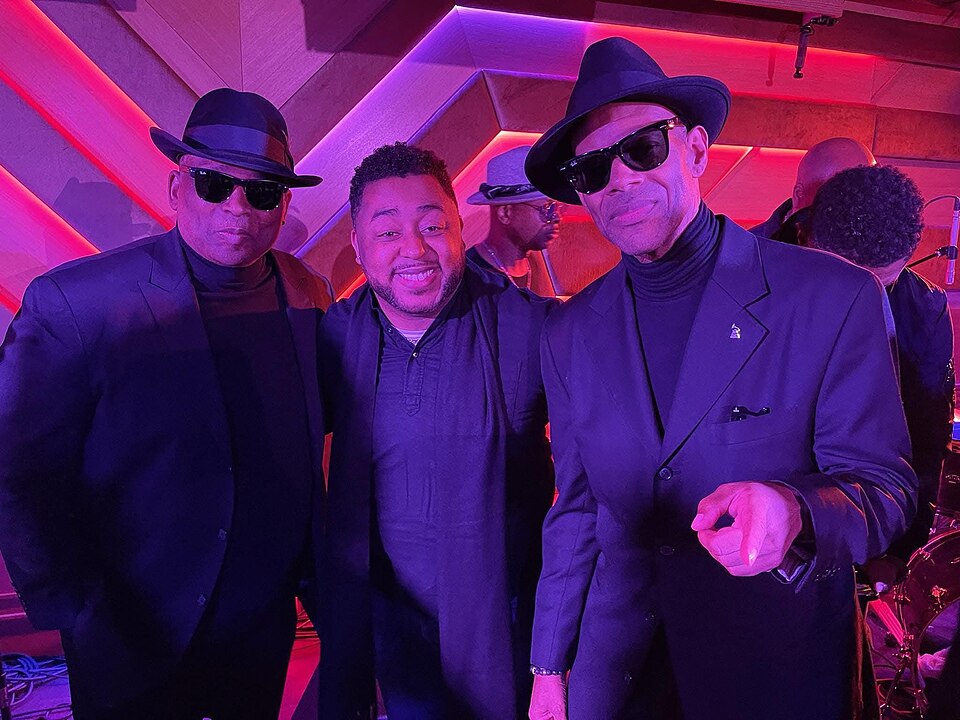
Photo Credit: TeeJaai / Wikimedia Commons — CC BY 4.0
Prince’s influence helped create opportunities for other musicians connected to the Minneapolis music scene. The Time, featuring Morris Day and musicians who included Jimmy Jam and Terry Lewis, became one of the most recognizable groups associated with the Minneapolis Sound.
Jimmy Jam and Terry Lewis later left The Time and built one of the most successful songwriting and production partnerships in popular music. Their work with Janet Jackson became especially significant. Her 1986 album Control, created with Jam and Lewis at Flyte Tyme Studios in Minneapolis, produced major hits including “Nasty,” “When I Think of You” and “What Have You Done for Me Lately.” The project helped Jam and Lewis win the Grammy for Producer of the Year, Non-Classical, in 1987.
Their success demonstrated how musicians who emerged from the Minneapolis music community could influence R&B and pop far beyond Minnesota. Jam and Lewis went on to work with artists including Michael Jackson, Mariah Carey, Usher, New Edition and many others.
Prince’s Impact on Minnesota Music
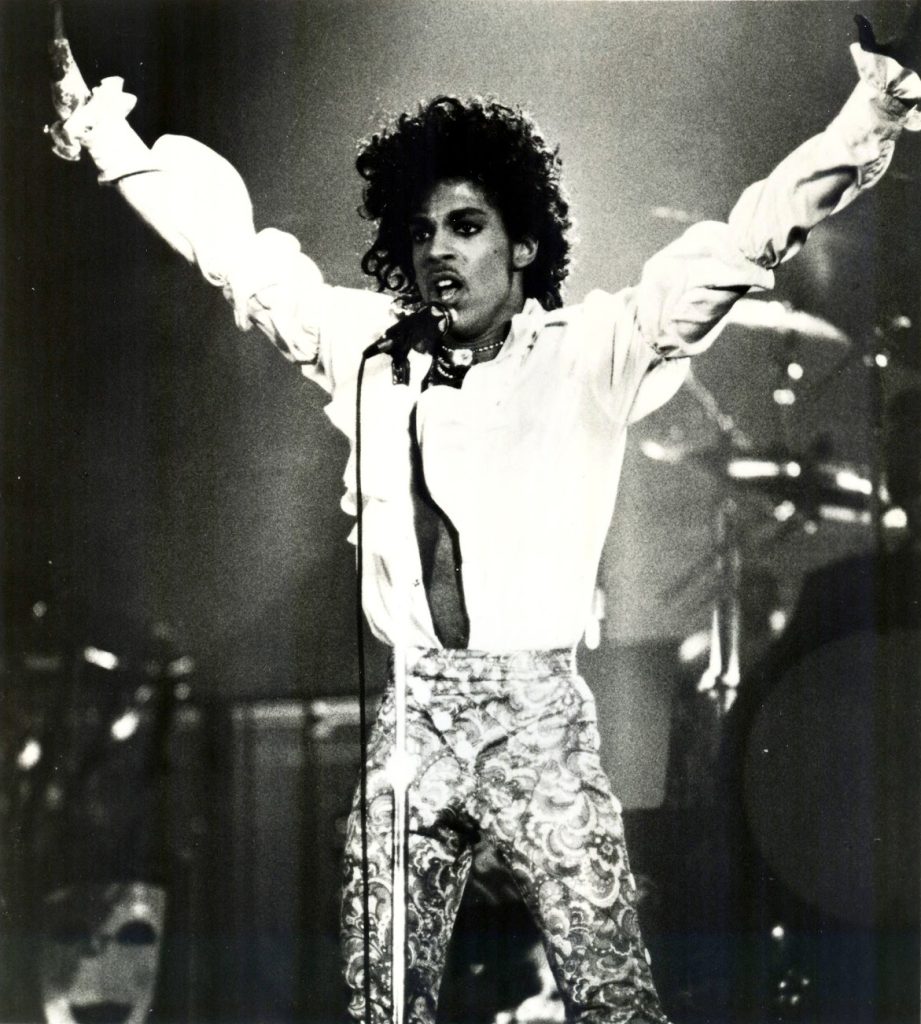
Photo Credit: Warner Bros. Records publicity photo / Wikimedia Commons — Public Domain
Prince remained closely identified with Minnesota throughout his career. His success brought worldwide attention to Minneapolis while the Minneapolis Sound became part of the city’s musical identity.
Decades after Purple Rain, Prince’s connection to Minnesota remains visible through First Avenue, Paisley Park and the musicians who helped shape the Minneapolis Sound. His work also remains part of a broader Minnesota music history that continues to influence how the Twin Cities are recognized around the world.
For today’s Twin Cities music scene, that history represents something larger than one genre. Prince’s career demonstrated that music created in Minnesota could reach an international audience without losing its connection to home.
KMHP Digital Radio will continue highlighting the artists, history, events and culture that have shaped Minnesota music—from the Prince Minneapolis Sound legacy to today’s hip-hop, R&B and emerging local artists. Visit our Twin Cities Music News section for more coverage of Minnesota’s music community.